How to Avoid Health Insurance Scams During Open Enrollment
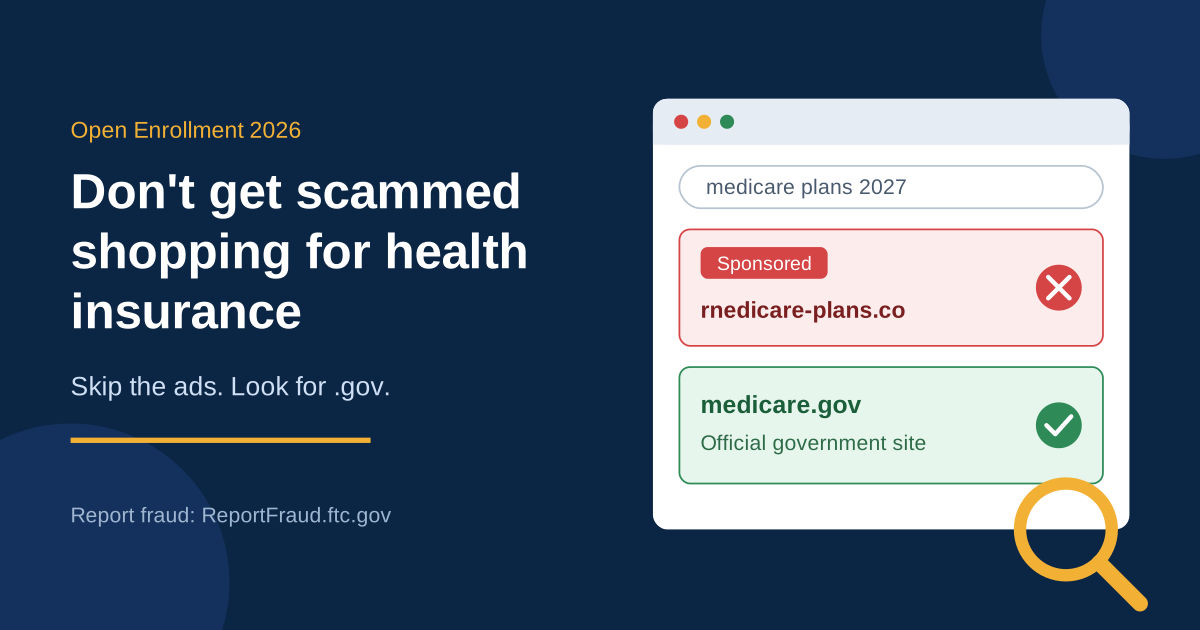
Open Enrollment is when millions of people shop for new health coverage, whether through Medicare or the ACA Marketplace. It's also when health insurance scams spike. Scammers know people are searching online for plans, comparing prices, and making decisions under a deadline, and they're ready to take advantage of it.
The good news: a few simple habits can help you avoid fake websites, bogus plans, and medical identity theft. Here's what to know before you start shopping.
Why Open Enrollment Scams Are So Common
Health insurance scams happen all year, but they increase during Open Enrollment for Medicare and the Marketplace. The reason is simple. When you search online for a new plan, the first results you see aren't always the most trustworthy. Scammers and dishonest businesses sometimes pay to appear at the very top of search results.
These bad actors often:
- Use web addresses that look almost identical to real government sites
- Stuff their pages with official-sounding keywords
- Copy government-style logos so you think you've landed on HealthCare.gov or Medicare.gov
If you click the link or call the phone number in one of these ads, you could end up paying for a plan that isn't actually health insurance, or handing over personal information that exposes you to medical identity theft.
4 Ways to Protect Yourself From Health Insurance Scams
1. Go directly to the official websites
Instead of clicking the first result, type the official website name yourself.
- Medicare: Visit Medicare.gov or call 800-633-4227.
- Marketplace (ACA) plans: Visit HealthCare.gov or call 800-318-2596 to compare plans, check your coverage, or see if you qualify for savings.
2. Slow down and spot the ads
Scammers count on you rushing. Take your time and look for small "Ad" or "Sponsored" labels next to search results. Scroll past paid ads and confirm the website address ends in .gov before you share any information.
3. Get free, unbiased help comparing plans
You don't have to figure it out alone, and you don't need to rely on a stranger who called you out of the blue.
- For Medicare questions, contact your State Health Insurance Assistance Program (SHIP) or your local Senior Medicare Patrol.
- For ACA plans, go to HealthCare.gov and click "Find Local Help."
4. Keep learning about scams
The FTC is hosting a free roundtable on Medicare and healthcare-related scams on September 29, 2026, at 1 p.m. ET, featuring representatives from the FTC, the Centers for Medicare & Medicaid Services, and the Senior Medicare Patrol.
Warning Signs of a Health Insurance Scam
Keep an eye out for these red flags while you shop:
- A website address that's almost right but doesn't end in .gov
- Pressure to sign up immediately or "lose your coverage"
- Requests for your Medicare number, Social Security number, or bank details from someone who contacted you first
- A plan price that seems too good to be true
- Vague answers about what the plan actually covers
How to Report a Health Insurance Scam
If you suspect a scam, report it. Your report helps protect others.
- Tell the FTC at ReportFraud.ftc.gov.
- Contact your state attorney general.
- If it involves Medicare, report it at Medicare.gov or call 800-633-4227.
The Bottom Line
Open Enrollment is the right time to review your coverage, but it's also prime time for scammers. Skip the sponsored ads, stick to official .gov websites, and lean on trusted free resources like SHIP and HealthCare.gov's local help. A few extra seconds of caution can save you money and protect your identity.
Source: Federal Trade Commission Consumer Alert, September 28, 2026.